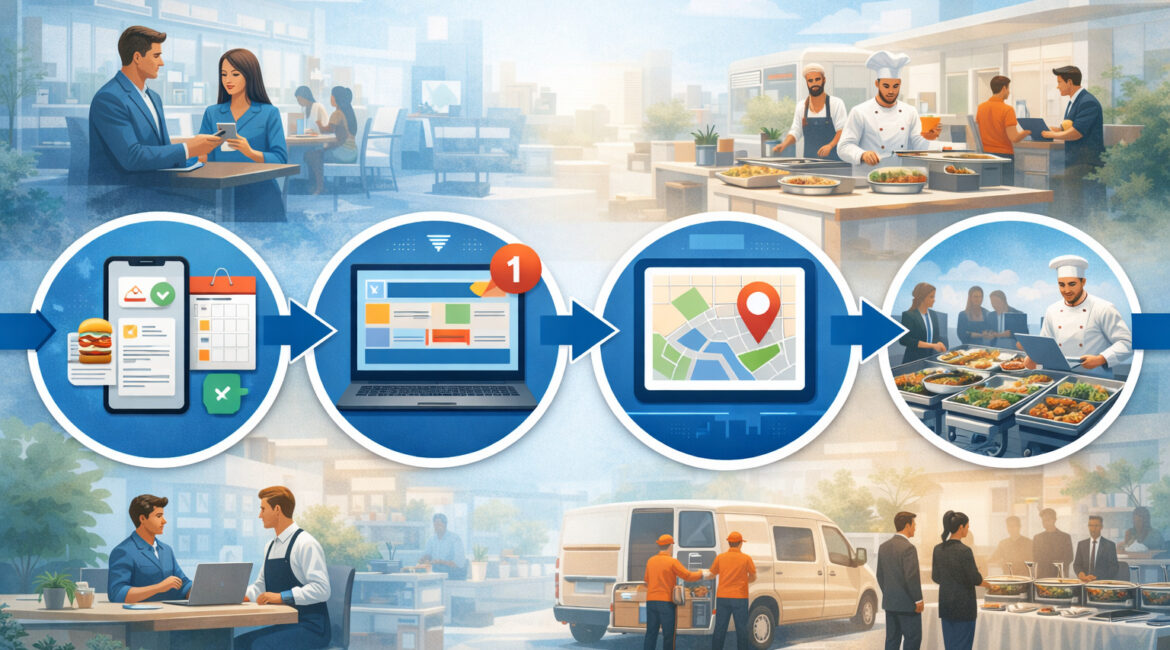
Running catering in 2026 is less about “put it on the calendar” and more about coordinating a moving operation: inquiries, menus, staffing, prep, packing, load-out, delivery routing, venue access, and post-event follow-up—often across multiple events in a single day. That’s why online catering scheduling software has become a core operations...
Integrating Catering Software Into Your Business Model (2026 Strategy Guide)
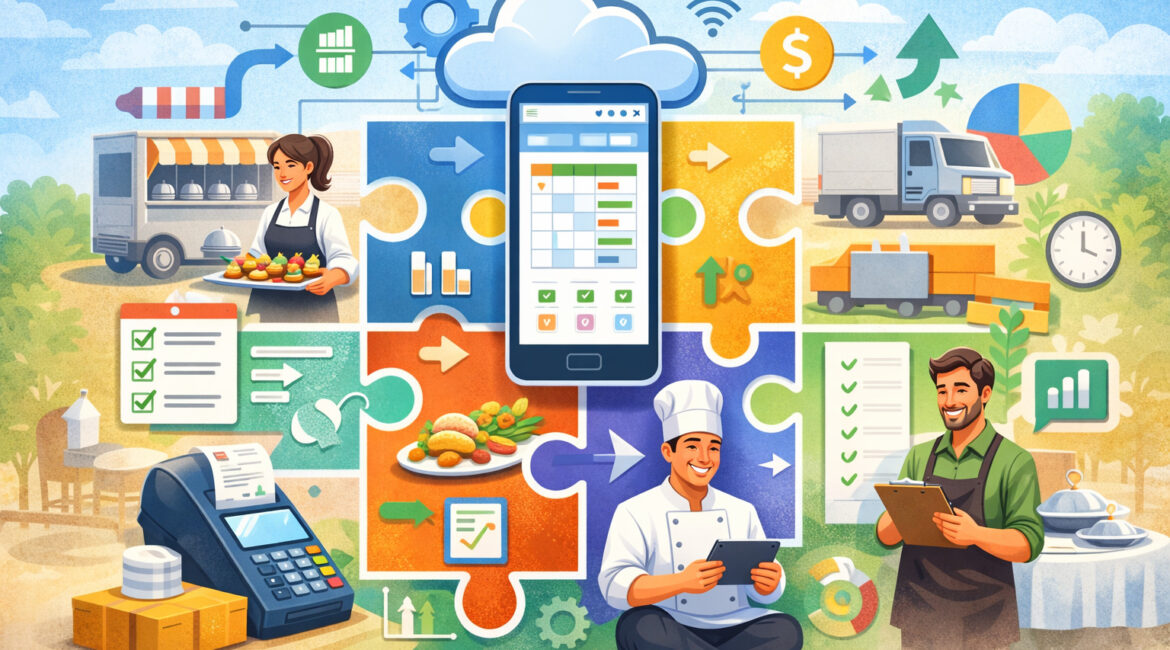
If you’re serious about scaling, “integrating catering software into your business model” is not a tech project—it’s an operating model upgrade. It’s the difference between taking orders and running a repeatable catering machine that can handle more events without your margins, service quality, or team sanity collapsing. This Catering software...
Top Reporting Features in Catering Management Software
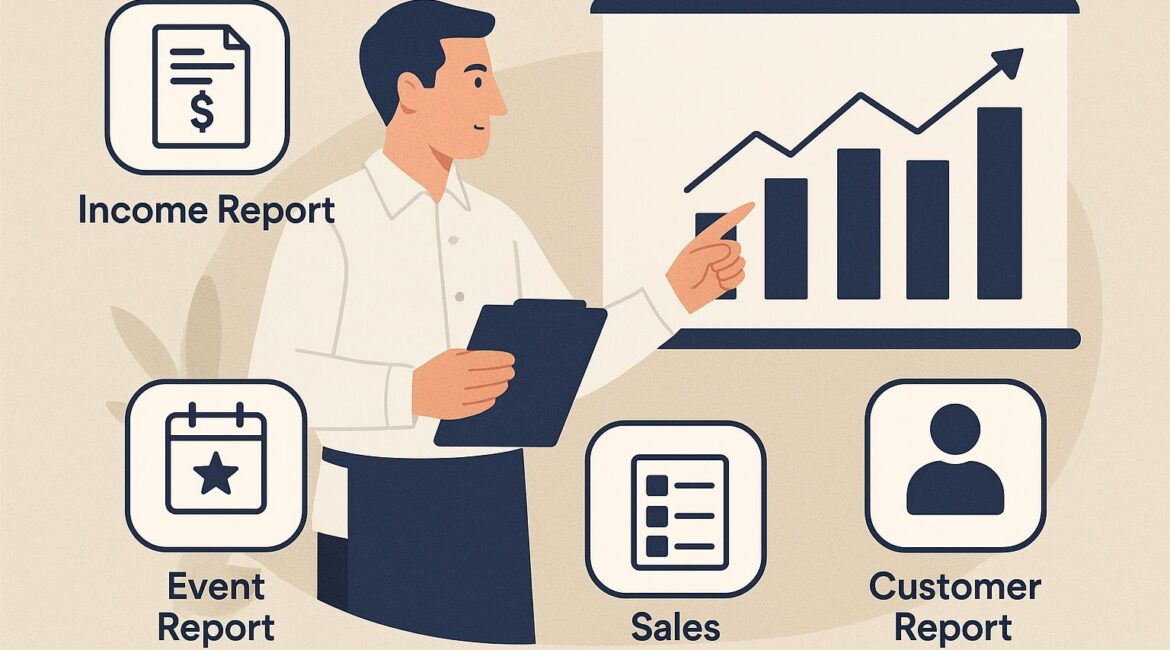
Catering management software transforms catering operations by automating tasks and providing reporting features that turn raw data into actionable insights. Modern systems generate detailed reports and dashboards covering everything from sales and expenses to customer satisfaction and inventory levels. These reporting tools give caterers a real-time view of their business...
Handling Large Weddings vs. Small Private Events: Different Software Needs

Emotions are just as much a part of event planning as logistics. A small private gathering thrives on intimacy, warmth, and personal touches, whereas a large wedding with hundreds of guests, live entertainment, and numerous vendors carries a sense of grandeur that requires careful coordination. However, an invisible framework for...
Top Challenges in Catering Management and How to Overcome Them
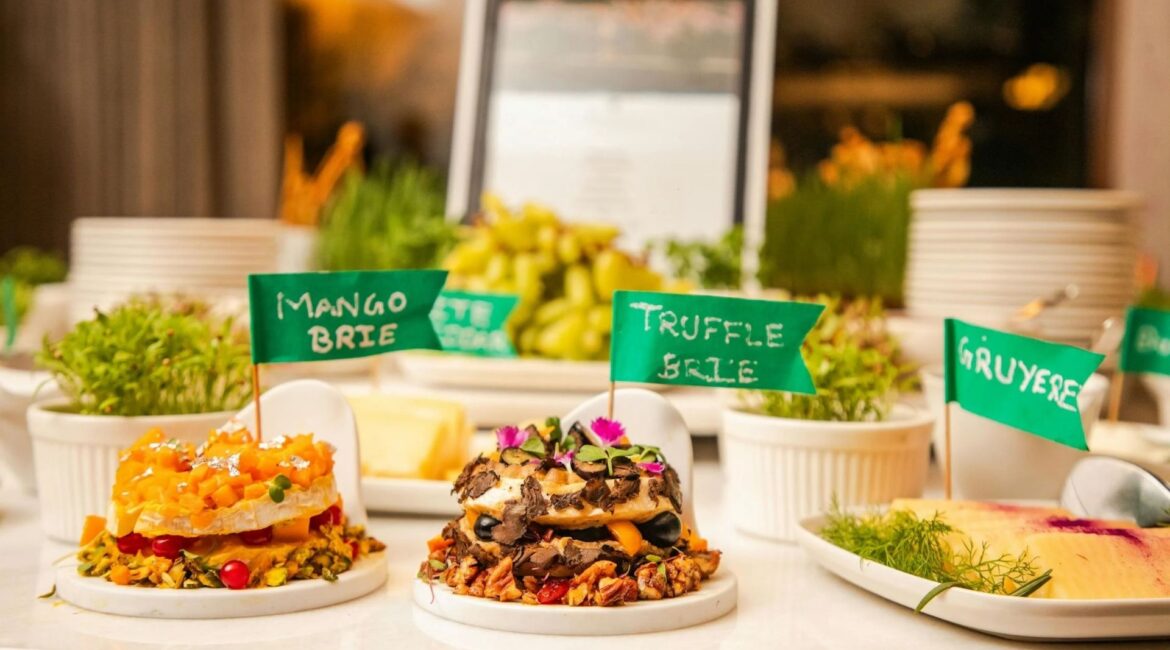
Catering management is a wonderful job that is all about event planning and coordinating various aspects of food service to produce a wonderful experience. All of them are of top quality to create the catering manager's menu plan, manage logistics, accommodate dietary requirements, and produce memorable events. However, this is...